Mineral identifier for a single crystal
A mineral identifier answers for one crystalline material, not for a whole rock. The photo proposes a name. Hardness, streak, luster, and cleavage are how you keep that name or replace it with the lookalike.
Upload rock photos
Clear, well-lit images help the identification. Add up to 4 photos of the same piece.
A mineral identifier names one material
A mineral is a single crystalline material with a composition and a structure you can describe. Quartz is a mineral. Granite is not. Granite is a rock that locks quartz, feldspar, and mica into one stone, and a mineral identifier that returns granite has answered a rock question. Split the specimen in your notes before you split it with a tool: one crystal, or a mixture of grains.
The photo usually shows a broken piece, not a textbook crystal. That is still a mineral question when the grains are all one material, or when one crystal is large enough to test on its own. If you can see separate pink, white, and black grains, go to the rock tool on the home page. If you see one color and one way of breaking, stay here.
The properties that actually separate minerals
Color is a hint and a trap. Quartz alone can be clear, purple, yellow, pink, or brown. The properties that travel with the species are hardness, streak, luster, and cleavage. Hardness is which common object scratches the mineral. Streak is the powder color on unglazed ceramic. Luster is how a fresh face reflects light. Cleavage is the flat directions the mineral prefers to break along, as opposed to a random fracture.
You can cover the useful hardness range without a kit. A fingernail is about 2.5, a copper coin about 3.5, window glass about 5.5, and a steel nail about 6.5. Scratch, wipe the powder away, and look for a groove. Do this on a corner you can spare. A mineral identifier that ignored those brackets will confuse calcite with quartz every time they share a pale color.
Minerals worth learning before the rare ones
Quartz is a 7, glassy, with no true streak and a curved fracture rather than flat cleavage. It often shows a six-sided prism. Calcite is a 3, fizzes in vinegar, and cleaves into rhombs, the tilted boxes you can stack. Feldspar is about a 6, with two cleavages close to a right angle, and it is the pink or white block inside many granites. Mica peels into elastic or brittle sheets with one perfect cleavage. A fingernail starts the peel.
Pyrite is metallic, brassy, and cubic, with a green-black streak. Hematite streaks red-brown even when the lump looks gray and shiny. Fluorite is a 4, often cubic, and it cleaves in four directions. Gypsum is a 2, so a fingernail scratches it, and the clear variety called selenite looks pearly. Learn this set and a mineral identifier photo stops being a guess among hundreds of names. Most hand specimens that are not rocks are one of these.
When the photo should stay a maybe
Weathering hides the mineral. A rind of rust, clay, or lichen is not the streak and not the luster. Break or scrape a tiny fresh face, photograph that face, and run the streak on the fresh edge. If you cannot mark the specimen, say so and keep two candidate names. A confident single name from a dirty photo is how calcite, quartz, and feldspar get swapped.
Density is a later check, not a phone trick. Pyrite feels heavy for its size because it is an iron sulfide. Quartz and calcite feel ordinary. You do not need a number to notice that difference in your hand. If two names still fit after hardness and streak, the heavier metallic one is the pyrite side of the pair, and the glassy light one is the quartz side.
Three judgments a mineral identifier gets wrong
A speckled stone is a rock. Pink, white, and black grains locked together are granite, a mixture, and a mineral identifier that returns one species has skipped the mixture. Quartz, feldspar, and mica can each be named where a single grain is large enough to test. The rock name belongs on the home page.
The dirty outside is not the mineral. Rust, clay, and lichen change the color and the shine, and they are not the streak. Rub a fresh edge on unglazed ceramic. Hematite leaves a red-brown powder and pyrite a green-black powder, and neither shows up in a photo of the rind. A name taken from the crust is how calcite, quartz, and feldspar get swapped.
Pale and glassy is not always quartz. Calcite shares that look, then fails two tests quartz passes: a copper coin scratches it, and vinegar fizzes on a fresh scratch. If you skip both, the mineral identifier will sound sure and be wrong. Keep the two names until one test decides.
Minerals to learn before the rare ones
These four separate on hardness, streak, or cleavage. Photograph a fresh face, then compare the traits under the result.
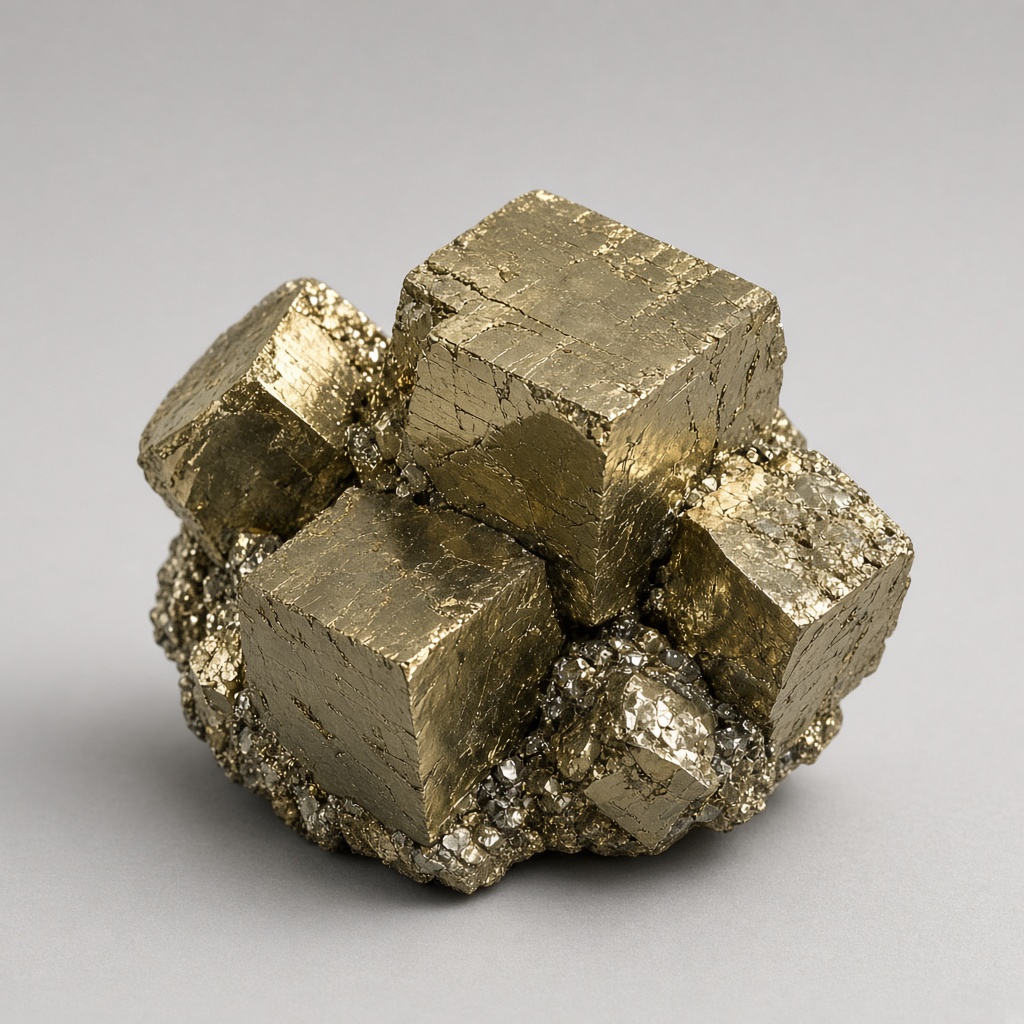
Pyrite
Brassy cubes with a green-black streak, not gold.
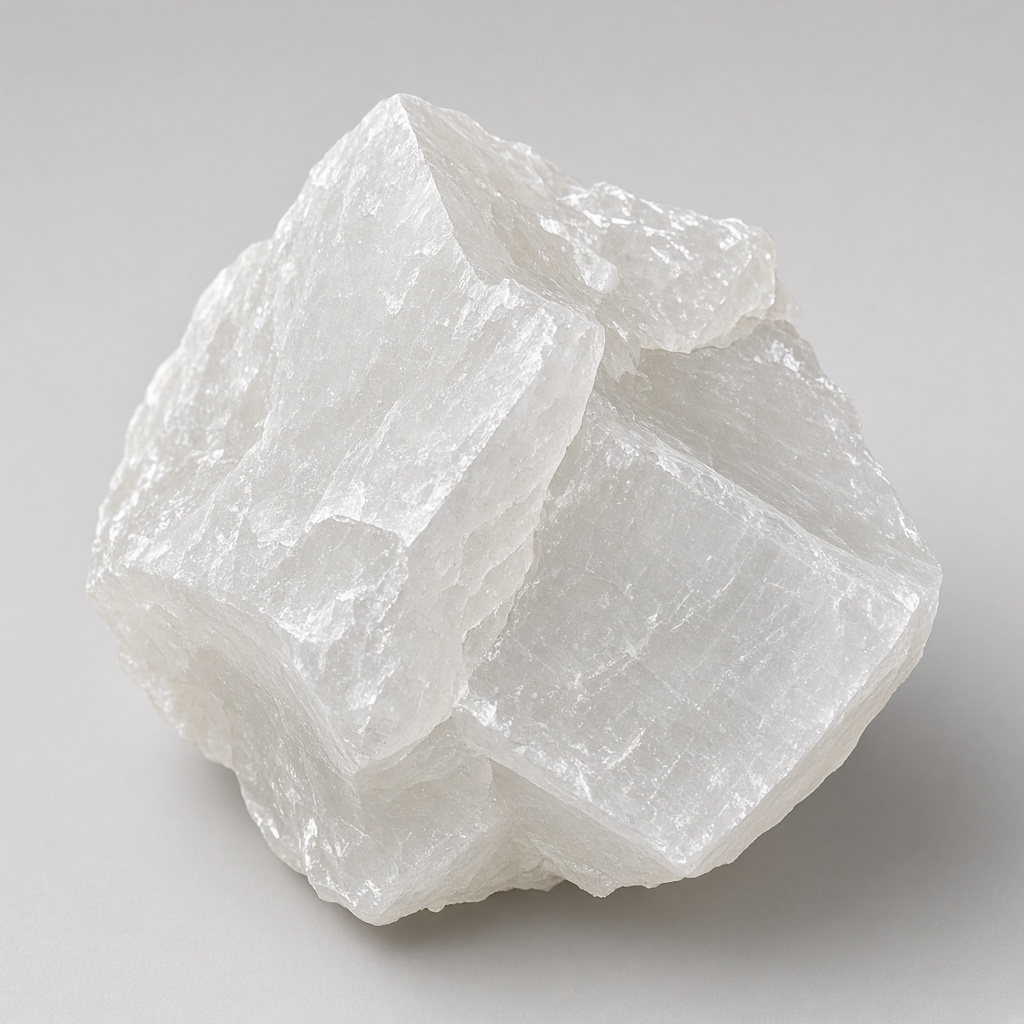
Calcite
Hardness 3 with rhomb cleavage. Vinegar fizzes on a scratch.
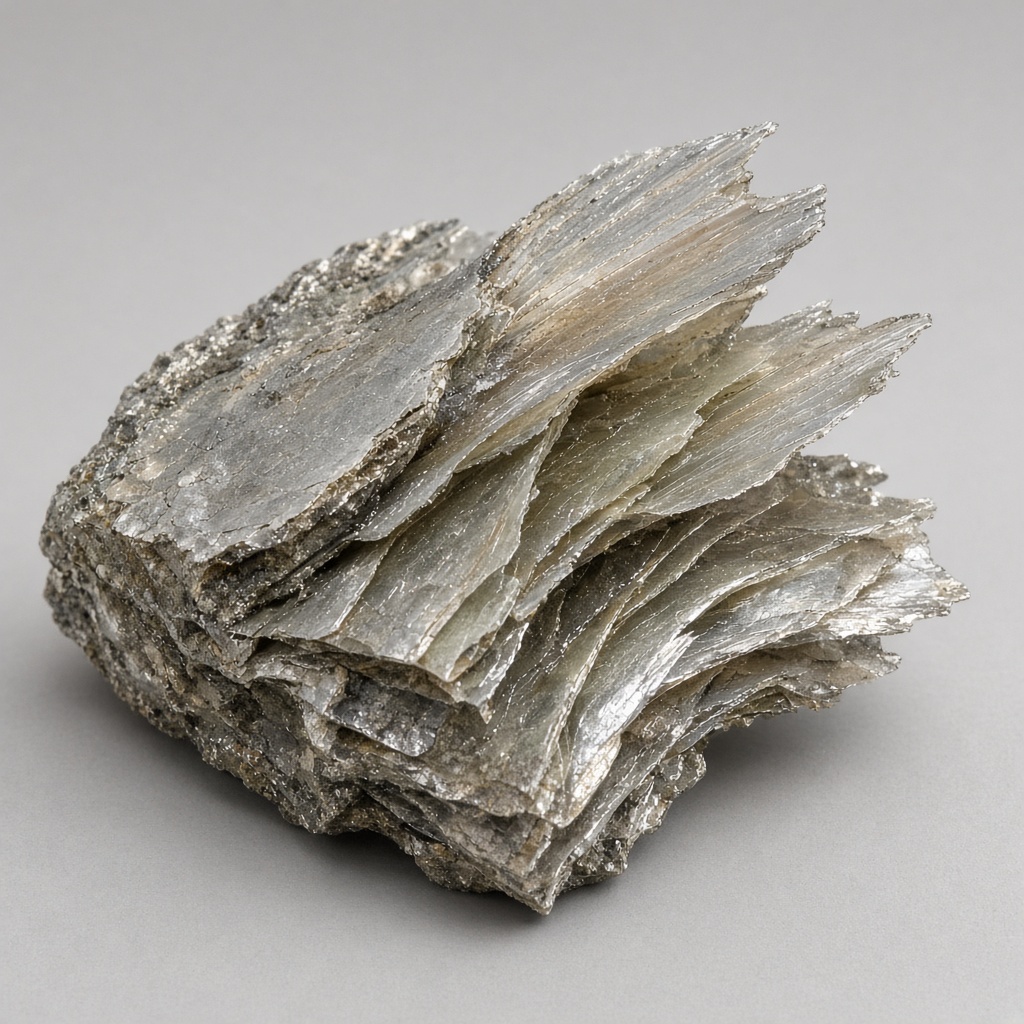
Mica
Peels into elastic or brittle sheets with one perfect cleavage.
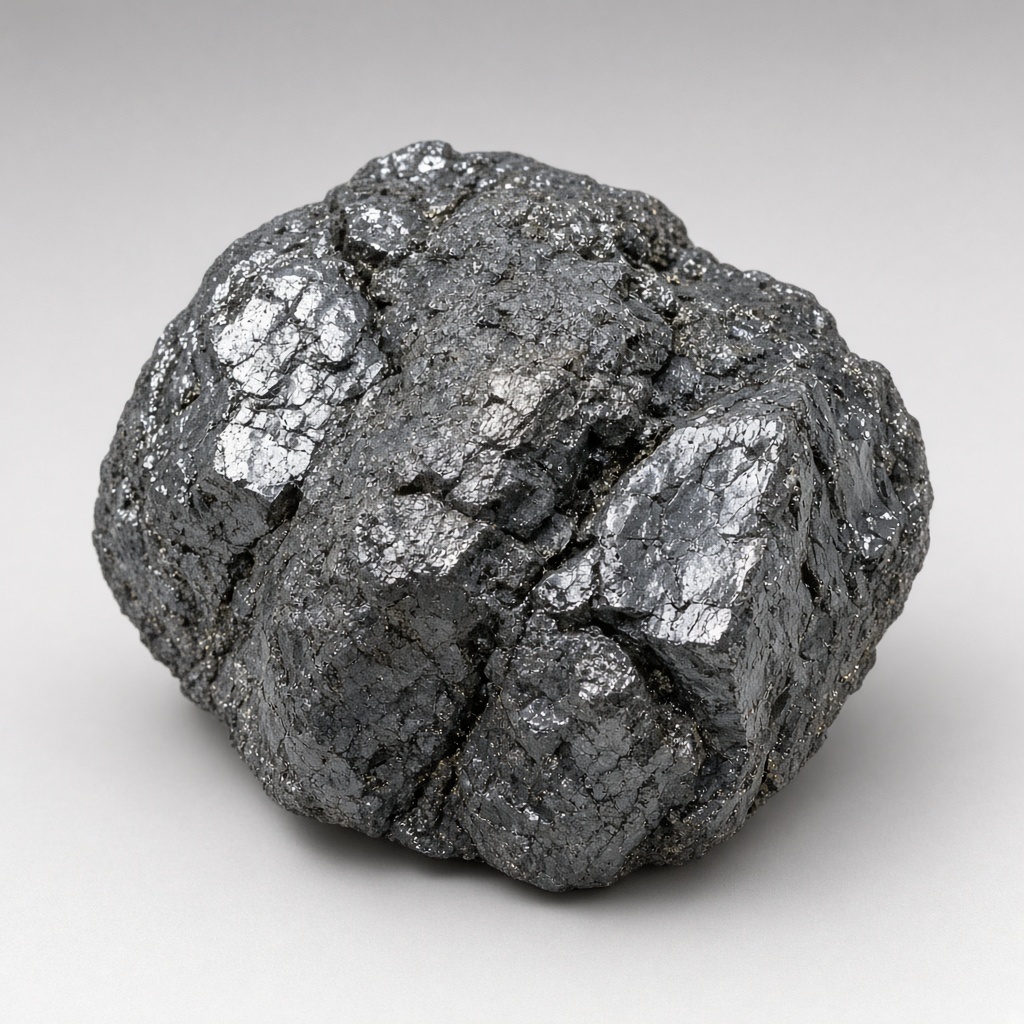
Hematite
May look metallic gray. The streak is red-brown.
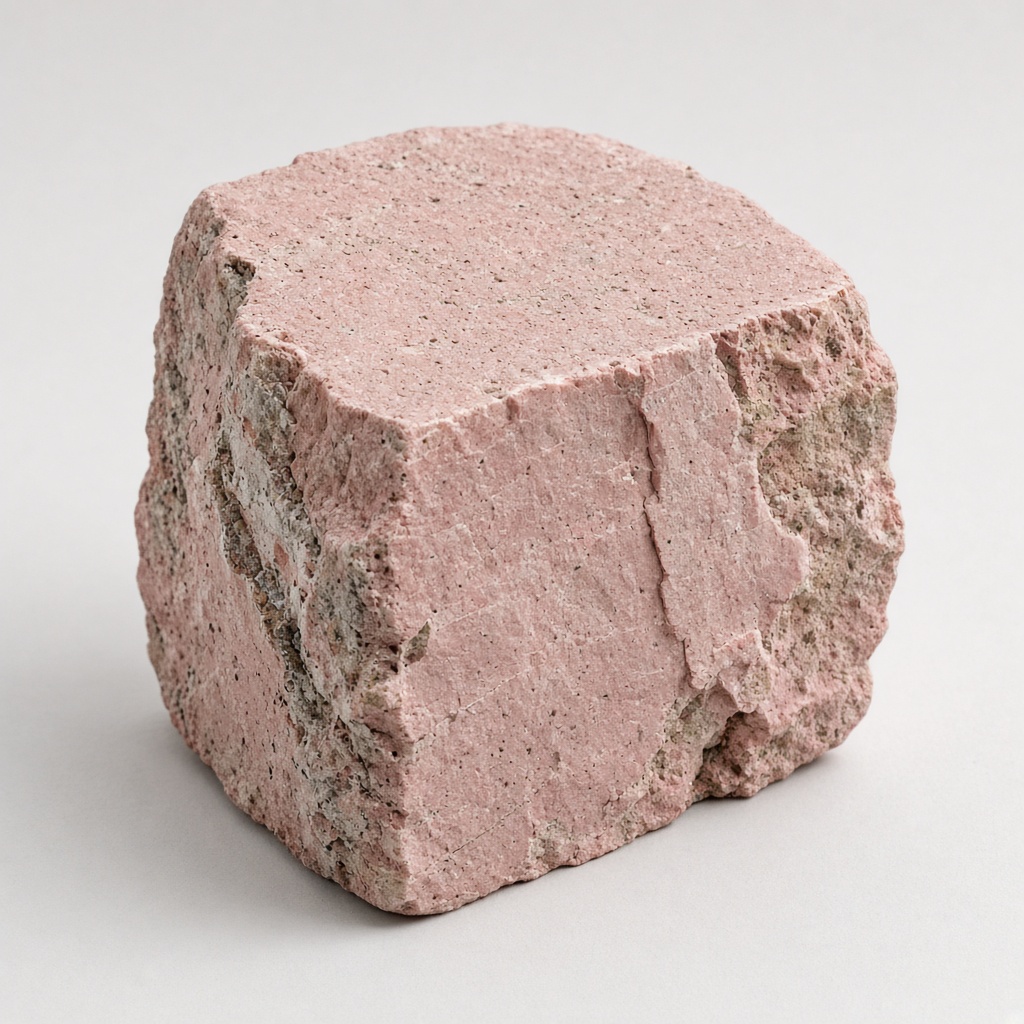
Feldspar
Blocky pink or white crystals with two near-right-angle cleavages.
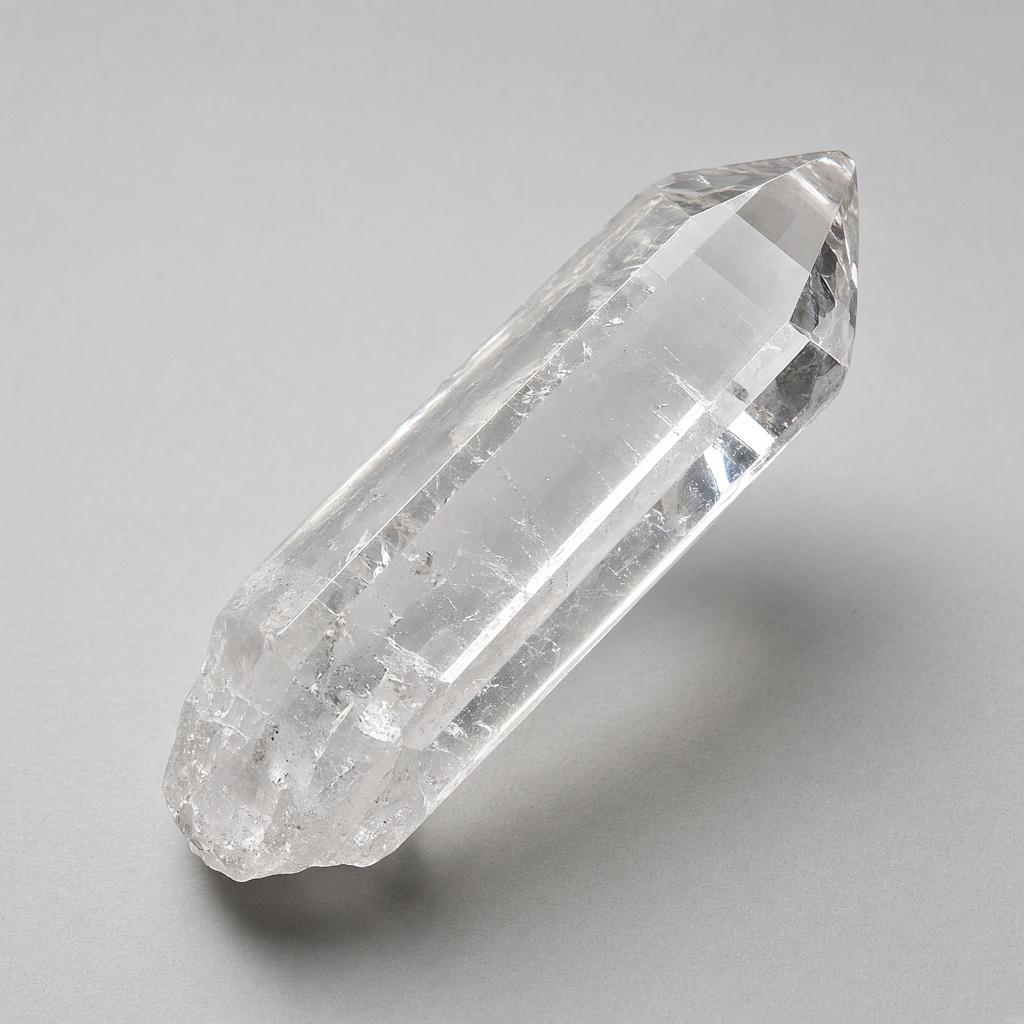
Quartz
Glassy, hardness 7, curved fracture rather than flat cleavage.
Questions people ask next
- How is a mineral identifier different from naming a rock?
- A mineral name is one material, such as calcite or quartz. A rock name is a mixture, such as granite or sandstone. If the photo shows several grain colors locked together, the rock page is the better question. If it shows one crystal or one way of breaking, use the mineral identifier and then test hardness and streak before you keep the name.
- Can streak be read from the photograph?
- No. Streak is the color of the powder, and the camera sees the outside of the lump. Rub a fresh edge on the unglazed back of a tile. Hematite gives a red-brown powder even when the specimen looks metallic gray. Pyrite gives a green-black powder. Quartz usually leaves only a white scrape of the tile. Write that color next to the photo name.
- What if two minerals share a color?
- Pick the test they do not share. Pale calcite and pale quartz split on hardness and on vinegar: calcite fizzes and a coin scratches it, quartz does neither. Brassy pyrite and gold split on streak and on whether the piece shatters or flattens. A mineral identifier should hand you that pair. The photo alone will not.
- Do I need a laboratory to name a common mineral?
- Not for the common set. Quartz, calcite, feldspar, mica, pyrite, hematite, fluorite, and gypsum separate with hardness, streak, cleavage, and one acid drop of vinegar. A lab matters for lookalikes that share those tests, for tiny grains, and for anything you plan to sell as a rare species. Start with the kitchen tests. Send the stone out only when those tests tie.
Name the rock or stone first
The home page answers what type of rock is this, what stone is this, and what is this stone. Use it when the piece might be a rock, a mineral, or both.