Gemstone identifier for the stone in your photo
A gemstone identifier starts with the photo you already have: a cut stone, a crystal, or a rough piece. The name is a hypothesis. Hardness, luster, and what the facets hide still have to agree before you treat it as a gem.
Upload gemstone photos
Clear, well-lit images help the identification. Add up to 4 photos of the same piece.
What a gemstone identifier is naming
A gemstone is a mineral, a rock, or an organic material that someone cut or kept because it is attractive and durable enough to wear or display. Diamond, ruby, sapphire, and emerald are minerals. Jade is usually a rock made of interlocking grains. Pearl, amber, and jet come from living things. A gemstone identifier has to say which of those it is looking at before the color name means anything.
Cut changes the problem. Facets bounce light, so a photograph of a finished stone hides the crystal shape you would use on a rough piece. A rough crystal still shows faces, while a cabochon shows a smooth dome and the color inside. Say which of those you photographed. The same species can look like three different materials once it is cut, polished, or left as a crystal.
Stones a gemstone identifier meets most often
Diamond is the hard end of the scale, a 10, with a sharp adamantine shine when it is cut. Ruby and sapphire are both corundum, a 9. The color splits them: red corundum is ruby, and the other colors are sapphire. Emerald is green beryl, and natural stones often carry the garden of inclusions cutters call jardin. Amethyst, citrine, and smoky quartz are all quartz, a 7, so a steel nail should not scratch them.
Garnet is a group, not one species. Rough garnet often grows in rounded twelve-sided crystals and comes in red, orange, and green. Opal is different again: the play of color moves as you tilt the stone, and there is no crystal face to name. Jade is either jadeite or nephrite. Both are tough, often carved, and rarely show a single crystal. A photo can suggest which of these families you have. It cannot tell a natural ruby from a lab-grown one, or a filled emerald from an untreated one.
Glass, plastic, and dye
Glass is the lookalike that fills costume jewelry. It is softer than quartz, so a steel nail can scratch it, and a molded piece may show a seam, rounded facet edges, or a bubble frozen inside. Plastic is lighter, warmer to the touch, and often shows a mold line. A dyed stone takes color in cracks and along the grain, while a natural color is more even through a fresh chip. None of these checks need a lab. They do need a place on the stone you are willing to mark.
Treat any scratch test as optional on a stone you hope to sell or set. A groove on a table facet is damage. If the piece is already mounted, photograph the stone and the setting separately and skip the nail. A gemstone identifier can still offer a likely family from the photo, and you can compare luster and inclusions without touching the surface.
What the name does not decide
A name is not a carat weight, a clarity grade, or a price. Two sapphires can share a species and differ completely once cut, treatment, and size are known. IdentifyStone can point at the likely gem and the trait that would confirm it. A grading report, when you need one, comes from a lab that has the stone in hand. Use the name to look the species up, then decide whether the piece is worth that extra step.
If the photo could just as easily be an ordinary rock or an uncut mineral, do not force a gem name. Upload it on the stone identifier and read the rock or mineral match first. A gemstone page is for material someone might cut or wear. A gray pebble with no crystal face is usually a rock question, and the home page is the right place for it.
Three judgments a gemstone identifier gets wrong
Blue is not a species. Glass, dyed quartz, and sapphire can share a hue, and a foil back can make a pale stone look deep. A gemstone identifier that stops at the color has named the lighting. Look at a facet edge for a sharp junction, and only then ask whether the hardness sits near corundum.
A scratch on a mounted stone often records the metal, the prong, or a slip onto the table, not the gem. That groove is damage, and it is a bad hardness number. Photograph the stone and the setting as two frames. Leave the nail for a loose piece you can accept a mark on.
Sparkle is not diamond. Glass with many small facets, or a stone with a mirror backing, throws light without being a 10. Diamond has a hard, sharp shine and will scratch sapphire. If you cannot run that test, keep the name as a maybe and do not price the piece from the photo.
Gemstones to compare in a photo
Use these frames as a baseline before you trust a color name. Each alt names the stone so image search can land on this page.
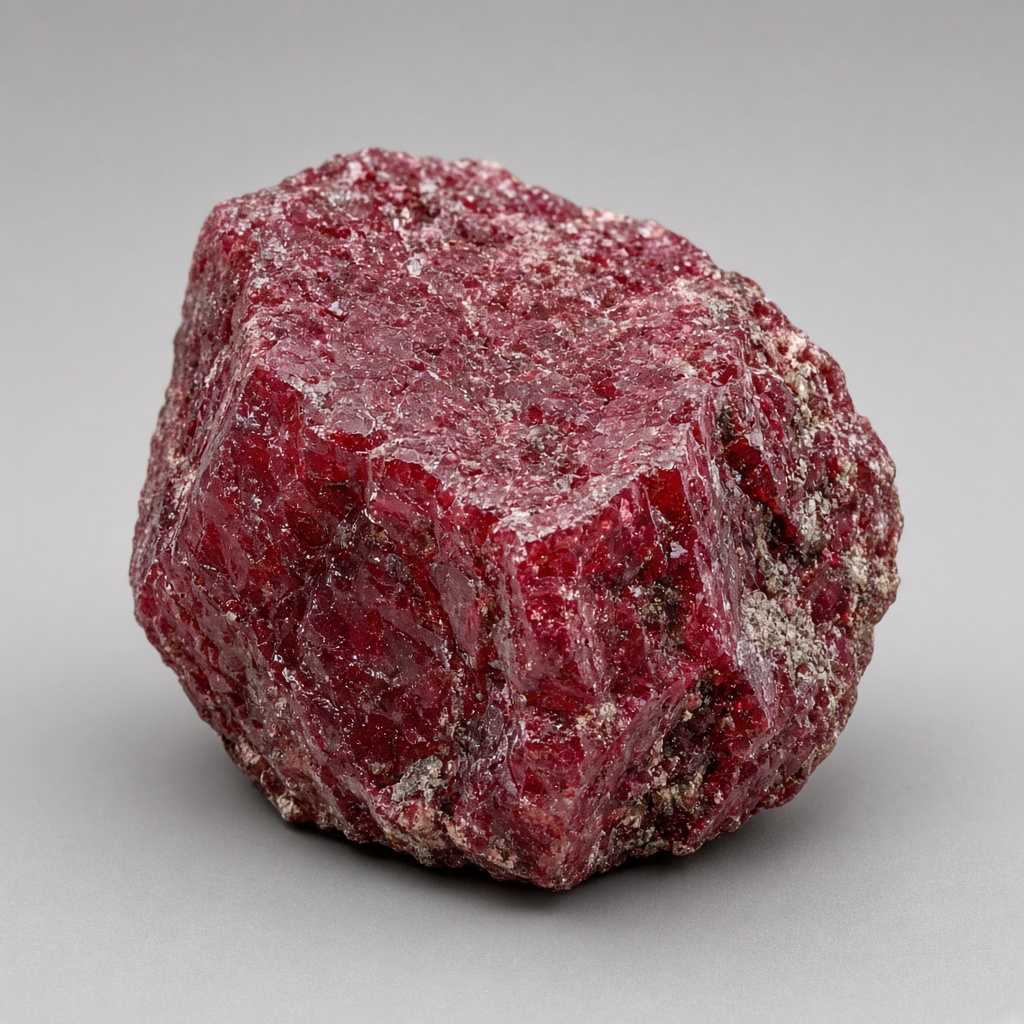
Ruby
Red corundum, often still showing crystal faces when rough.
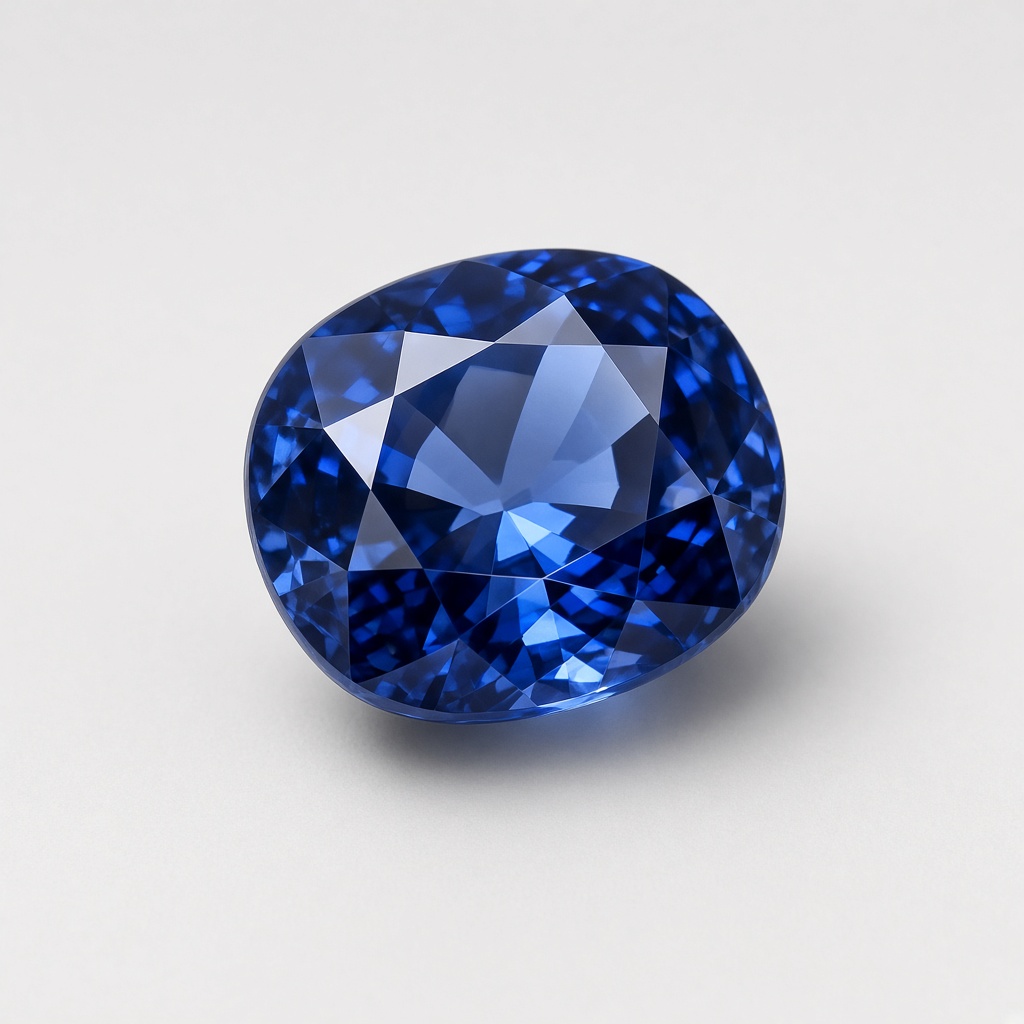
Sapphire
Also corundum. Facets bounce light and hide the crystal outline.
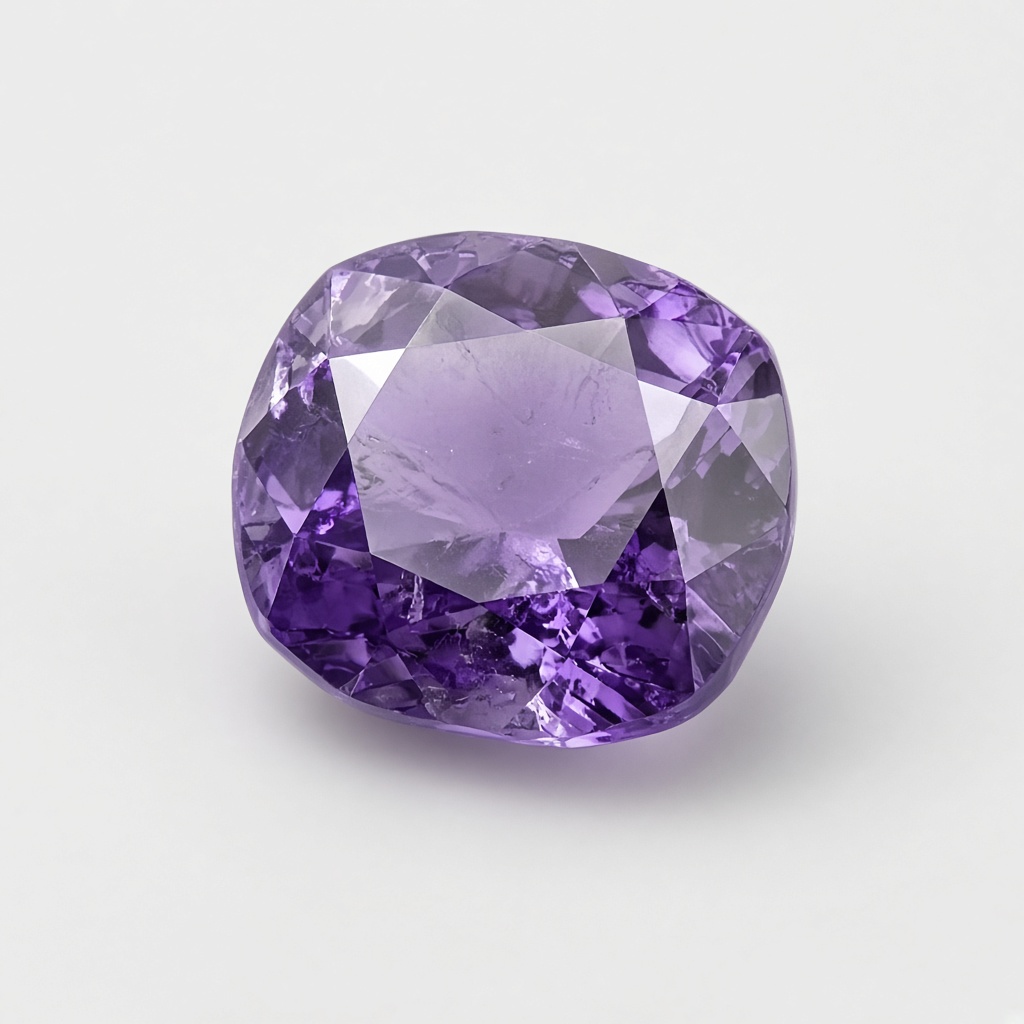
Amethyst
Purple quartz at hardness 7. A steel nail should not scratch it.
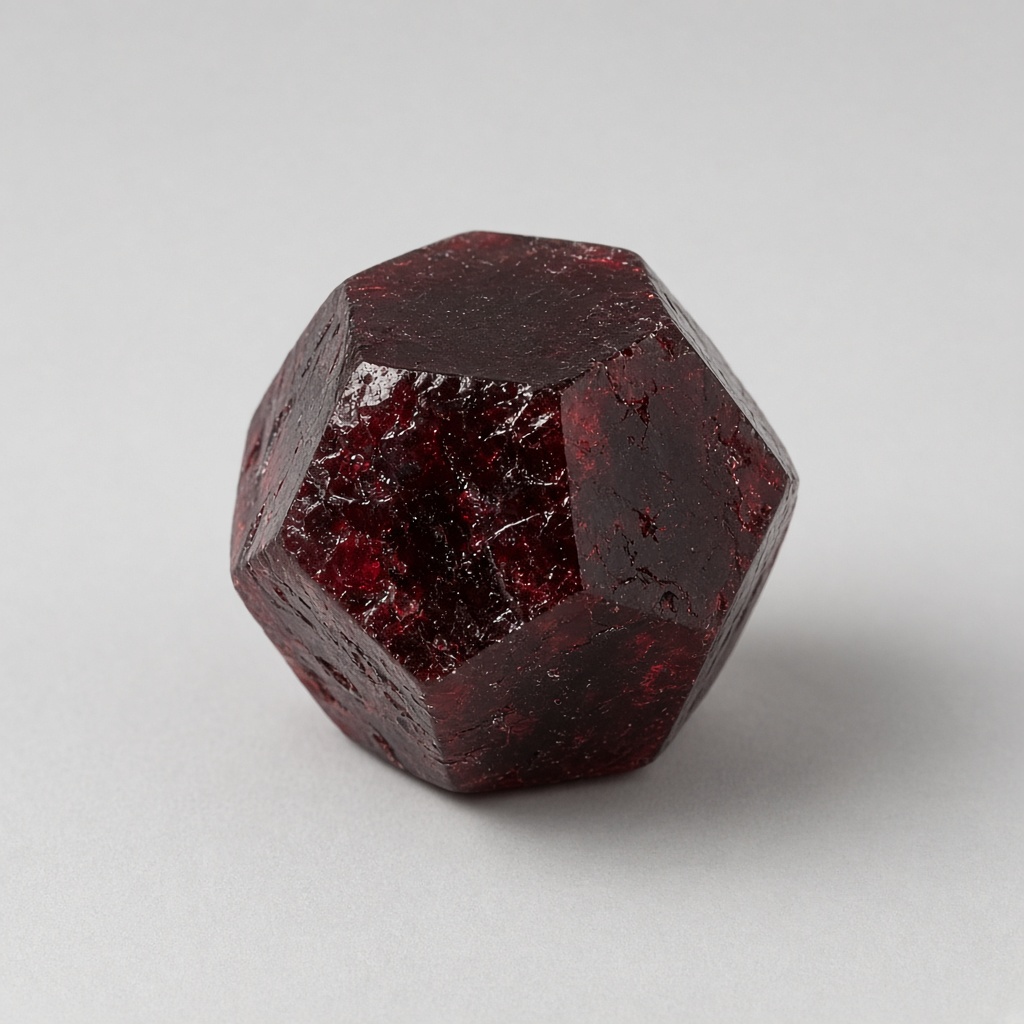
Garnet
Often a rounded twelve-sided crystal rather than a single prism.
Questions people ask next
- Can a photo tell a real gemstone from glass?
- Sometimes. Bubbles, a mold seam, soft facet edges, and a scratch from a steel nail point to glass. A sharp adamantine shine and a hardness above quartz point away from it. A photo that only shows color is not enough, because blue glass and blue sapphire can share a hue. Photograph a facet junction up close, and do not scratch a stone you cannot replace.
- Does the gemstone identifier give a price?
- No. The page names a likely material and the check that separates it from lookalikes. Price depends on species, weight, cut, treatment, and whether a buyer trusts the stone. Two pieces with the same name can be a bead and a rare crystal. For a sale, take the named stone to someone who can weigh and inspect it.
- Are ruby and sapphire different minerals?
- They are both corundum. Red corundum is ruby. Every other color of corundum is sapphire, including the pink and the padparadscha tones dealers argue about. A gemstone identifier that stops at the color has not finished. Hardness near 9 and the lack of a colored streak support corundum. The color name comes after that.
- Should I test a mounted stone?
- Photograph it, and leave the hardness test for a loose stone you can accept a mark on. A setting hides the back, and a nail can slip onto the metal or the facet. Note the color, the cut, and any inclusions you can see through the table. That is enough for a first name, and it keeps the jewelry intact.
Name the rock or stone first
The home page answers what type of rock is this, what stone is this, and what is this stone. Use it when the piece might be a rock, a mineral, or both.